Description
This project is my sandbox for learning how real enterprise systems grow. Instead of rushing features, I’m focused on building a foundation I can evolve in phases - just like engineering teams do in practice.
My goal here isn't to complete a portfolio project, but to understand the architecture behind production-level systems: clear service boundaries, asynchronous workflows, independent data ownership, cloud-native deployment patterns, and more. I plan to keep expanding it as I learn and explore new architectural ideas.
Features
- Architected a 6-service .NET 8 microservices platform on Azure Container Apps; implemented database-per-service isolation and a Redis cache-aside pattern, achieving a 95% reduction in catalog query latency.
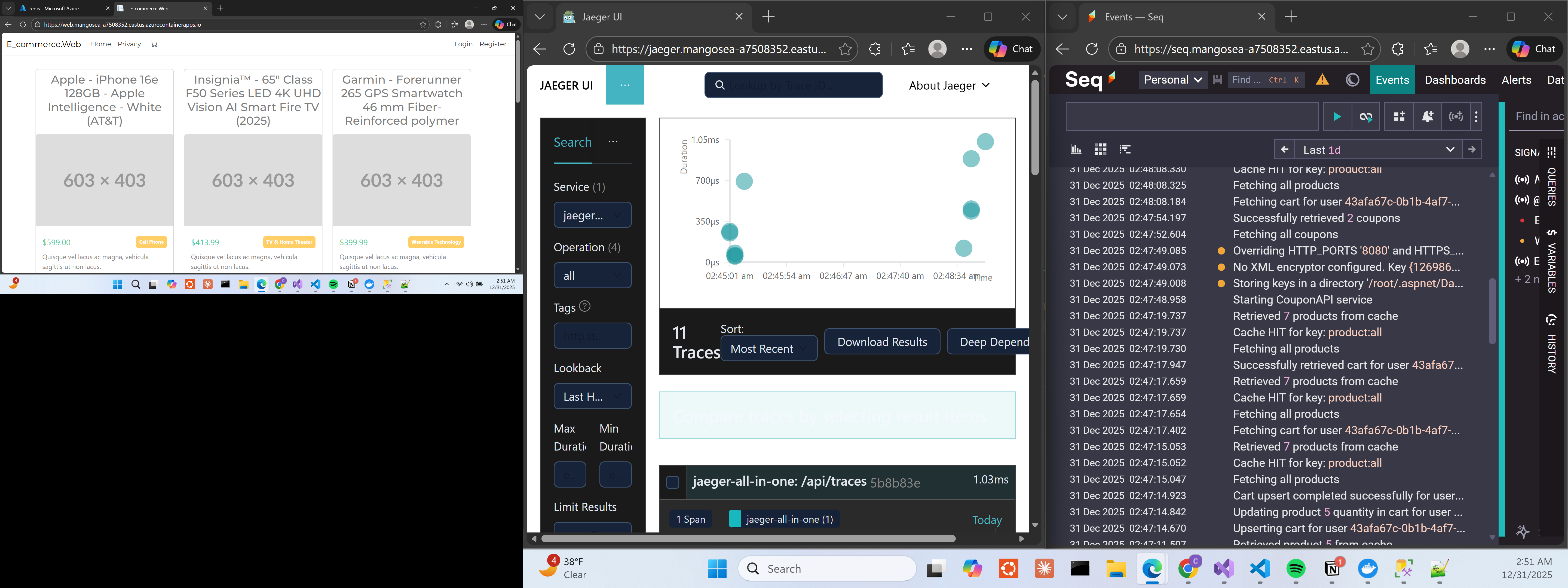
- Engineered an event-driven architecture using Azure Service Bus and built a full observability stack with OpenTelemetry and Jaeger; developed custom Correlation ID middleware to trace requests across sync and async service boundaries, streamlining root-cause analysis for complex distributed errors.
- Containerized services with multi-stage Docker builds (~250MB images) and orchestrated zero-downtime deployments on Azure; optimized serverless SQL infrastructure to sustain a production environment for <$21/month.
Info
- source code
- demo
- .NET 8, Razor, Azure Container Apps, Azure Service Bus, Azure SQL, Docker, JWT/Identity, Redis, Seq, Jaeger
Architecture Diagram

Implementation Highlights
Observability Stack (Seq, Jaeger, OpenTelemetry)
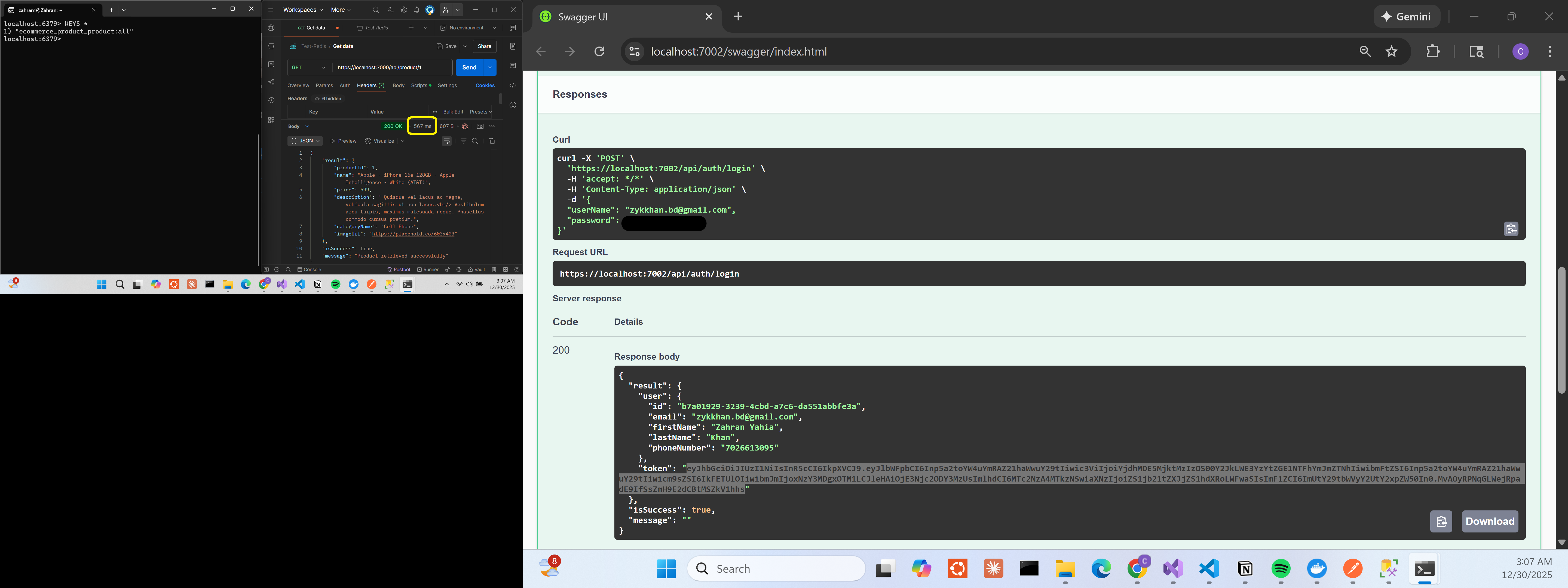
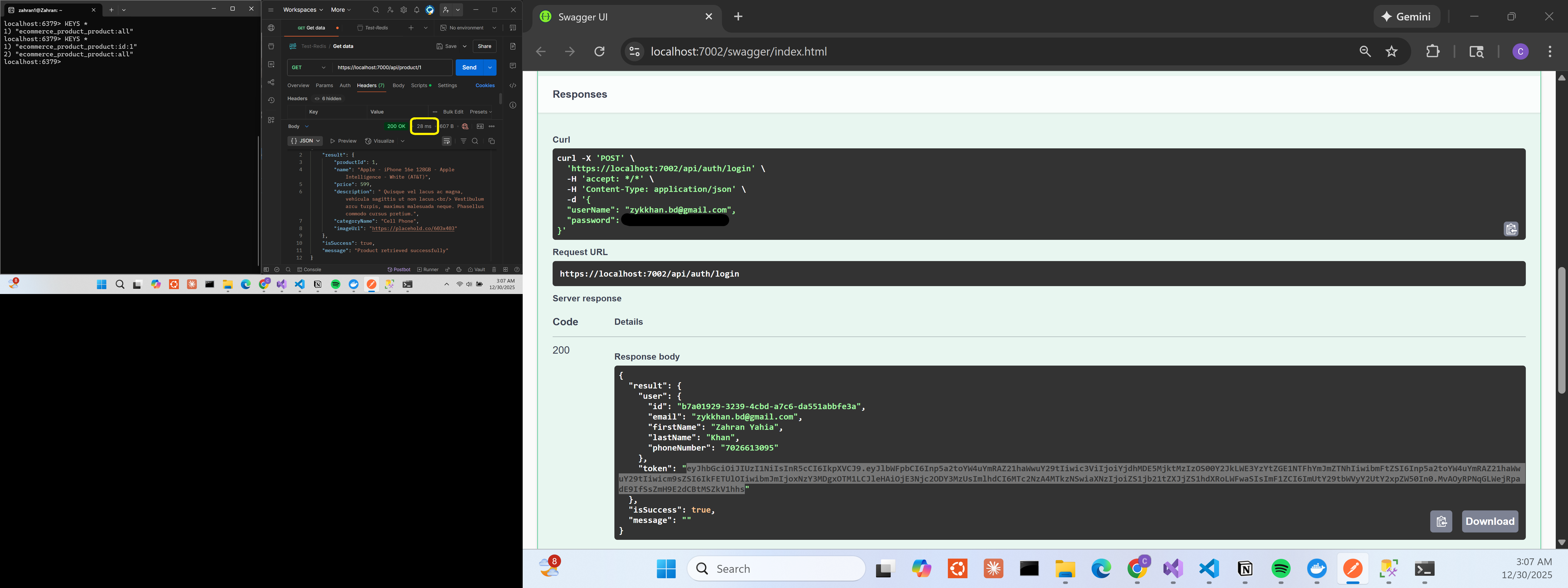
Redis Cache-Aside Pattern Performance Comparison
Performance Impact
Latency Improvement: Reduced catalog query latency from 567ms to 28ms (95% improvement)
Before Redis
567ms latency
After Redis
28ms latency
Engineering Reflection
Working on this project let me stay in touch with the kind of engineering practices we actually need in enterprise systems - something I honestly haven't been doing much of lately, since most of my time goes into experimenting with and learning new AI stuff. This pulled me back into the mindset of building real-world, quality software. The design trade-offs felt almost identical to my internship work, except here I intentionally chose depth over speed.
Read more ▼